
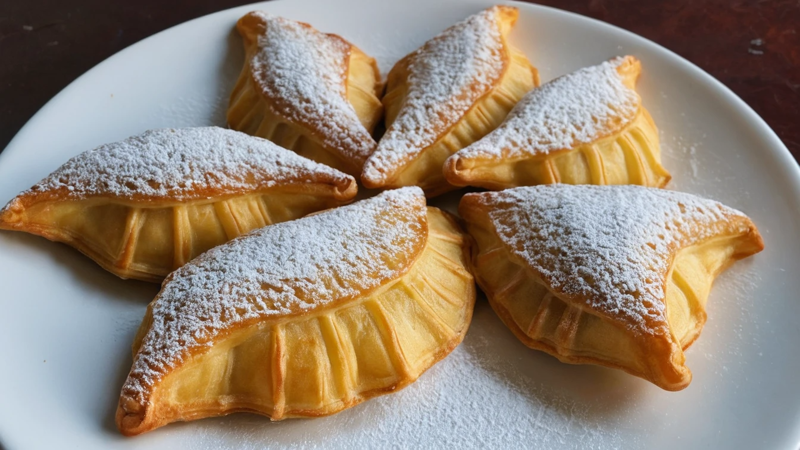
Elephant ear pastry is a crispy, buttery dessert loved for its flaky texture and caramelized sugar flavor. Learn how to make and enjoy it today.
Elephant ear pastry is a crispy, flaky dessert made from puff pastry, butter, and sugar. It is baked until golden and caramelized, creating a crunchy texture with a sweet buttery flavor. Many people enjoy it as a snack, breakfast pastry, or coffee companion because it is simple, light, and delicious.
Elephant Ear Pastry 🥐
Elephant ear pastry is a crispy, flaky dessert made from puff pastry, butter, and sugar. It is baked until golden and caramelized, creating a crunchy texture with a sweet buttery flavor. Many people enjoy it as a snack, breakfast pastry, or coffee companion because it is simple, light, and delicious.
Have you ever tasted a pastry so crispy and buttery that it practically melts in your mouth after the first bite? 😍 Elephant ear pastry does exactly that. Its sweet crunch and delicate layers make it one of the most satisfying desserts you can bake or buy.
This classic pastry has stayed popular for generations because it combines simple ingredients with incredible flavor. Whether you know it as palmier pastry, elephant ears dessert, or crispy puff pastry cookies, this treat remains a favorite in bakeries across the United States.
What Is Elephant Ear Pastry? 🐘
Elephant ear pastry is a flaky pastry made by folding puff pastry with sugar and butter. The pastry is rolled into a unique shape that resembles an elephant’s ear. Once baked, the sugar caramelizes and creates a crisp outer texture.
Many people confuse elephant ear pastry with fried fairground elephant ears. However, they are different desserts. The pastry version uses puff pastry dough and is baked, while carnival elephant ears are deep-fried dough treats topped with cinnamon sugar.
The pastry is known for its light texture and rich buttery flavor. Its crunchy bite makes it perfect for pairing with coffee, tea, or hot chocolate ☕.
The History Behind Elephant Ear Pastry 📖
Elephant ear pastry has roots in French baking traditions. In France, this pastry is called a palmier, which means “palm tree.” French bakers created it using leftover puff pastry scraps coated in sugar.
Over time, the pastry became popular across Europe and eventually reached the United States. American bakeries embraced the dessert because it was affordable, easy to bake, and universally loved.
Today, elephant ear pastries appear in bakeries, coffee shops, and homemade dessert recipes everywhere. Their timeless flavor continues to attract pastry lovers of all ages.
Why Elephant Ear Pastry Is So Popular ❤️
One reason elephant ear pastry remains popular is its simplicity. It uses only a few ingredients but delivers incredible flavor and texture. Many home bakers also enjoy how easy it is to prepare.
Another reason is versatility. You can enjoy elephant ear pastries plain or customize them with chocolate, cinnamon, fruit fillings, or nuts. This flexibility makes them appealing for many tastes.
People also love the satisfying crunch. The caramelized sugar coating creates a crispy bite that feels indulgent without being overly heavy.
| Popular Feature | Why People Love It |
| Crispy Texture | Delivers a satisfying crunch |
| Buttery Flavor | Rich and comforting taste |
| Easy To Make | Requires simple ingredients |
| Versatile Recipe | Works with many toppings |
| Great With Drinks | Perfect for coffee or tea |
Ingredients Used In Elephant Ear Pastry 🧈
The traditional recipe uses puff pastry, butter, and sugar. These simple ingredients create layers of flaky texture and sweetness.
Some recipes include cinnamon for extra warmth and flavor. Others add vanilla, chocolate drizzle, or fruit preserves for variety. Bakers often use coarse sugar because it caramelizes beautifully during baking.
Fresh ingredients make a huge difference. High-quality butter and good puff pastry create richer flavor and crispier layers.
Common Ingredients Include:
- Puff pastry dough
- Granulated sugar
- Butter
- Cinnamon
- Vanilla extract
- Chocolate drizzle
- Nut toppings
How Elephant Ear Pastry Gets Its Signature Shape ✨
The pastry’s shape comes from folding both sides of the dough inward until they meet in the center. Then the dough is folded again to create multiple layers.
When sliced, the dough resembles curled elephant ears. During baking, the layers puff up while the sugar caramelizes around the edges.
This folding method is what gives the pastry its delicate crunch and iconic appearance. The layers become airy and crisp while staying buttery inside.
How To Make Elephant Ear Pastry At Home 👩🍳
Making elephant ear pastry at home is easier than many people think. Store-bought puff pastry simplifies the process and saves time.
Start by thawing the puff pastry and sprinkling sugar over the surface. Roll the dough gently so the sugar sticks. Fold both sides inward and chill the dough briefly before slicing.
Bake the pastries until golden brown and crispy. The sugar melts and caramelizes beautifully in the oven 😋.
Simple Baking Steps:
- Roll out puff pastry
- Sprinkle sugar evenly
- Fold dough toward center
- Chill for 20 minutes
- Slice into pieces
- Bake until golden
Tips For Perfect Crispy Elephant Ears 🔥
Always keep the puff pastry cold. Warm dough becomes sticky and loses its flaky layers. Chilled dough creates better texture and puffiness.
Use enough sugar because it helps create the caramelized crunch. However, avoid excessive sugar because it may burn quickly.
Bake at high temperature for the best results. A hot oven helps puff pastry rise properly while producing crisp golden edges.
Helpful Baking Tips:
- Chill dough before slicing
- Use parchment paper
- Rotate baking tray halfway
- Avoid overcrowding pastries
- Let pastries cool before serving
Elephant Ear Pastry Vs Palmier Pastry 🥐
Many people wonder if elephant ear pastry and palmier pastry are the same thing. In most cases, they are nearly identical. The names often depend on region and bakery traditions.
French bakeries commonly use the word palmier. American bakeries may call them elephant ears because of their shape. Both pastries feature puff pastry and caramelized sugar.
However, some elephant ear recipes include cinnamon sugar or additional toppings, while classic French palmiers are simpler.
| Feature | Elephant Ear Pastry | Palmier Pastry |
| Origin | Popular In U.S. | French Origin |
| Main Texture | Crispy And Sweet | Flaky And Buttery |
| Flavor Variations | Often Cinnamon | Usually Plain Sugar |
| Shape | Elephant Ear Shape | Palm Leaf Shape |
| Serving Style | Snack Or Dessert | Tea Pastry |
Sweet Variations Of Elephant Ear Pastry 🍫
Chocolate elephant ears are especially popular. Bakers drizzle melted chocolate over the baked pastries for extra richness.
Fruit-filled elephant ears also taste amazing. Raspberry, apple, and strawberry fillings add sweetness and moisture. Nutella-filled versions are another favorite among dessert lovers.
Some people even make savory versions with cheese, garlic, or herbs. These savory pastries work well as appetizers or party snacks.
Popular Flavor Variations:
- Cinnamon sugar
- Chocolate drizzle
- Nutella filling
- Apple cinnamon
- Raspberry jam
- Caramel glaze
- Almond topping
Best Drinks To Pair With Elephant Ear Pastry ☕
Elephant ear pastries pair beautifully with warm drinks because their sweetness balances bitter flavors. Coffee is one of the best matches because the pastry complements roasted notes perfectly.
Tea also works well, especially black tea or chai. The warm spices in chai enhance the pastry’s buttery flavor.
For children, hot chocolate creates a rich and comforting combination. Cold milk is another simple but delicious option 🥛.
Why Puff Pastry Matters So Much 🧁
Puff pastry is the heart of elephant ear pastry. Its hundreds of thin layers create the light flaky texture people love.
Good puff pastry contains alternating layers of dough and butter. During baking, steam forms between the layers and creates puffiness.
Cheap or overworked dough may not rise properly. That is why many bakers prefer premium butter puff pastry for the best results.
Common Mistakes To Avoid 🚫
One common mistake is overhandling the dough. Too much handling warms the butter and reduces flakiness.
Another mistake is underbaking. Elephant ear pastries need enough time to caramelize fully. Pale pastries may taste soft instead of crispy.
Using too much flour while rolling the dough can also affect texture. Excess flour makes the pastry dry rather than buttery.
| Mistake | Result |
| Warm Dough | Poor Puff Layers |
| Too Little Sugar | Less Caramelization |
| Underbaking | Soft Texture |
| Too Much Flour | Dry Pastry |
| Overcrowded Tray | Uneven Baking |
Are Elephant Ear Pastries Healthy? 🥗
Elephant ear pastries are considered an indulgent dessert rather than a health food. They contain butter, sugar, and refined flour, which increase calories and fat content.
However, enjoying them occasionally can still fit into a balanced lifestyle. Portion control helps reduce excess sugar intake.
Some bakers create lighter versions using reduced sugar or plant-based butter alternatives. Homemade recipes also allow better ingredient control.
Homemade Vs Bakery Elephant Ears 🏡
Homemade elephant ear pastries offer freshness and customization. You can control sweetness levels, flavors, and ingredients easily.
Bakery versions often have more consistent texture and appearance. Professional ovens help achieve extra crispiness and even caramelization.
Still, many people prefer homemade pastries because they fill the kitchen with an irresistible buttery aroma 😊.
Storing Elephant Ear Pastry Properly 📦
Store elephant ear pastries in an airtight container at room temperature. This helps preserve their crunch and freshness.
Avoid refrigeration because moisture softens the pastry layers. If pastries become less crispy, reheat them briefly in the oven.
Fresh elephant ears taste best within two days. However, they can last several days if stored correctly.
Storage Tips:
- Use airtight containers
- Keep away from humidity
- Reheat in oven if needed
- Avoid refrigeration
- Store completely cooled pastries
Elephant Ear Pastry Around The World 🌍
Different countries have their own versions of elephant ear pastries. France has palmiers, while Spain offers orejas, meaning “ears.”
German bakeries also sell similar pastries with cinnamon and sugar. In Latin America, some bakeries add dulce de leche or chocolate coatings.
These global variations show how universally loved crispy puff pastry desserts truly are.
Why Kids And Adults Love Elephant Ear Pastries 👨👩👧
Kids enjoy the sweet crunchy texture and fun shape. The pastry feels light and easy to eat, making it perfect for snacks.
Adults appreciate the buttery layers and nostalgic bakery flavor. Many people associate elephant ear pastries with childhood memories or café visits.
Because the pastry appeals to different age groups, it works wonderfully for family gatherings and celebrations 🎉.
Best Occasions To Serve Elephant Ear Pastry 🎊
Elephant ear pastries fit many occasions because they are elegant yet simple. They work beautifully at brunches, tea parties, and holiday gatherings.
You can also serve them as light desserts after dinner. Their crispy texture pairs nicely with ice cream or fresh fruit.
For parties, mini elephant ears make excellent finger foods because guests can enjoy them easily without utensils.
Great Serving Ideas:
- Breakfast pastries
- Afternoon tea snacks
- Holiday dessert trays
- Coffee shop treats
- Wedding dessert tables
Conclusion ✨
Elephant ear pastry remains one of the most beloved puff pastry desserts because it combines buttery layers, caramelized sugar, and irresistible crunch. Its simple ingredients create a bakery-style treat that feels elegant yet comforting.
Whether you enjoy classic sugar-coated palmiers or creative flavored variations, elephant ear pastries offer endless possibilities. They are easy to bake, perfect for gatherings, and delicious with coffee or tea.
If you love crispy sweet pastries, elephant ear pastry deserves a place in your kitchen. One bite explains why this timeless dessert continues to win hearts everywhere 😍.
FAQs ❓
How Do You Keep Elephant Ear Pastry Crispy?
Store the pastries in an airtight container at room temperature. Avoid refrigeration because moisture softens the layers. Reheat them briefly in the oven if needed.
Can You Freeze Elephant Ear Pastry Dough?
Yes, puff pastry dough freezes very well. Wrap it tightly to prevent freezer burn. Thaw the dough in the refrigerator before baking.
What Is The Difference Between Elephant Ears And Palmiers?
They are very similar pastries made from puff pastry and sugar. The names usually depend on region and bakery traditions. Palmiers are the French version.
Can I Make Elephant Ear Pastry Without Cinnamon?
Absolutely. Traditional recipes often use only sugar and butter. Cinnamon simply adds extra warmth and sweetness.
Why Did My Elephant Ear Pastry Turn Soft?
Soft pastries usually result from underbaking or poor storage. Bake until deeply golden and crisp. Store them in airtight containers away from humidity.